A brand strategy rests on five pillars: purpose, audience, positioning, personality and expression. Each one answers a single question about your business. Together, they decide how the brand looks, sounds and behaves.
There’s no official list. Agencies name and group these ideas differently. These are the five we use, because each one leads to a decision a designer can act on.
1. Purpose: why do you exist?
Purpose is the reason the business exists beyond making money. It’s usually written as a purpose, a vision and a mission, and it gives every later decision a direction.
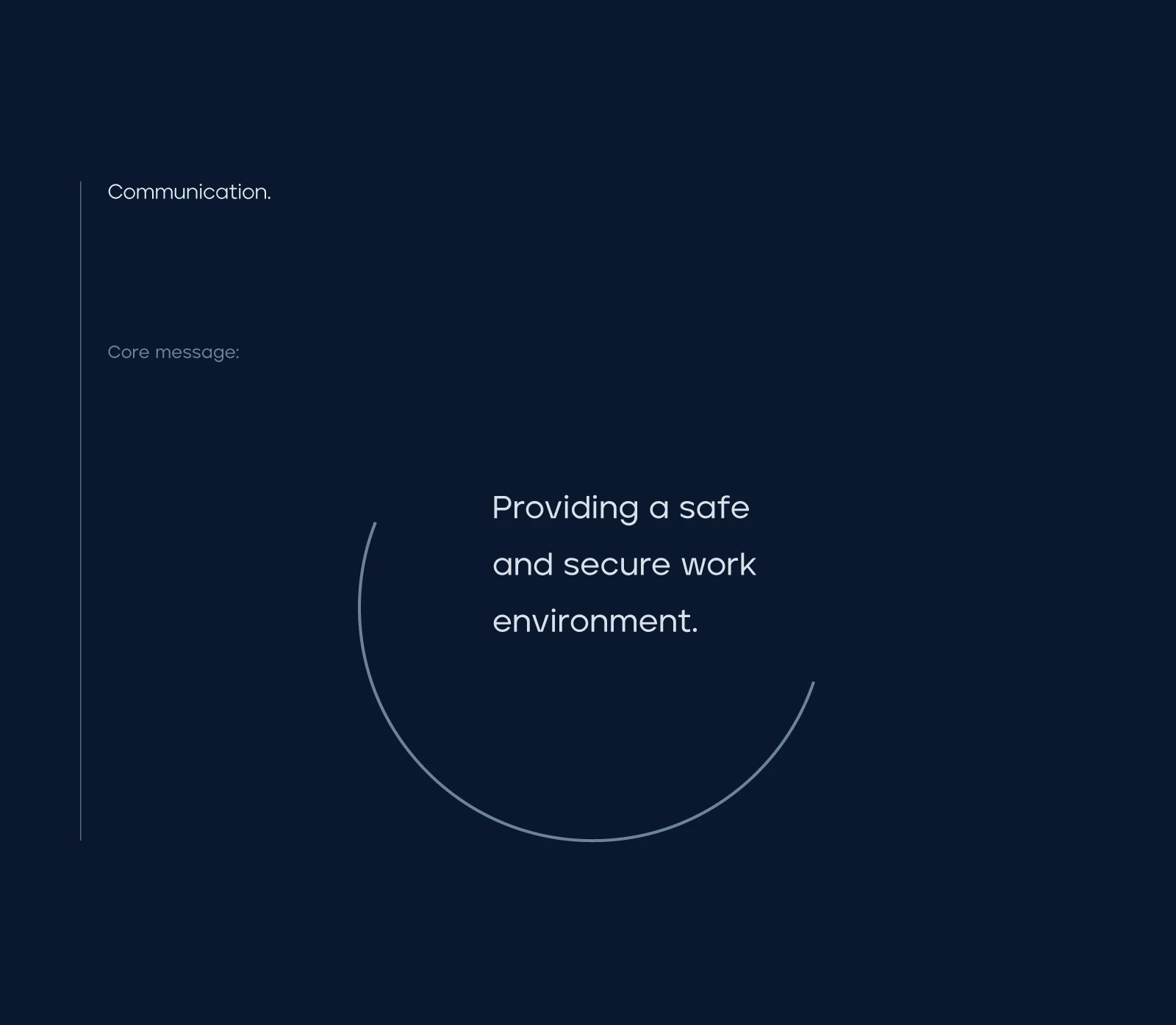
For Falcon Eye, an AI system for safety monitoring and logistics detection, the purpose came down to one clear promise: a safe and secure work environment. That promise then guided the tone of voice, the visuals and the core message. See the full Falcon Eye case study.
2. Audience: who is it for?
A strategy names the people the brand must win, in detail: what they need, what worries them and what they already use. The more specific the audience, the easier every other decision becomes.
VexoCyber provides cybersecurity, but its real audience is narrower: Australian law firms that hold privileged correspondence, case files and evidence for their clients. Knowing that changed everything about the identity.
3. Positioning: why choose you?
Positioning is the one idea that sets you apart from the alternatives your audience already has. It should be true, important to the customer and hard for competitors to claim.
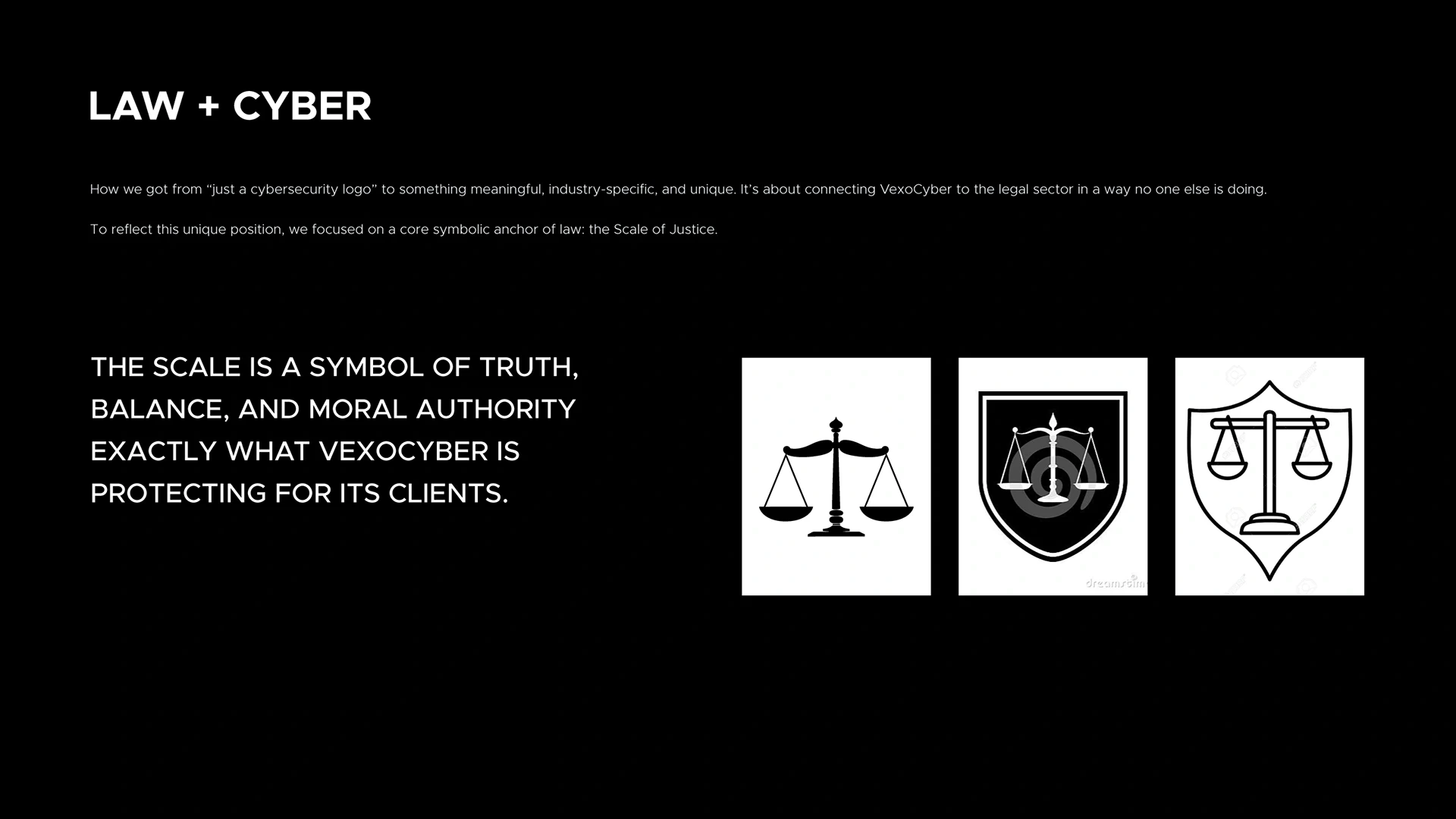
In VexoCyber’s category, shields and padlocks made providers easy to recognize, but said nothing about whom they served. Instead, the identity draws on the scales of justice, so a lawyer can recognize their own profession in the mark. Read how to find what makes your brand different. See the full VexoCyber case study.
4. Personality: how does the brand behave?
Personality describes the brand as if it were a person, usually in four to six words, plus a tone of voice. It keeps the writing and design consistent when different people work on the brand.
For Legacy Events, an events company serving corporate and government clients in Saudi Arabia, we defined the personality as innovative, reliable, adaptive, passionate and professional. The identity expresses that through clear typography and a restrained palette energized by lime green.
5. Expression: how does it look and sound?
Expression turns the first four pillars into things people can see and hear: the name, logo, colors, typography, imagery, messaging and guidelines. This is where most businesses start, and it’s why so many brands look good but say little.
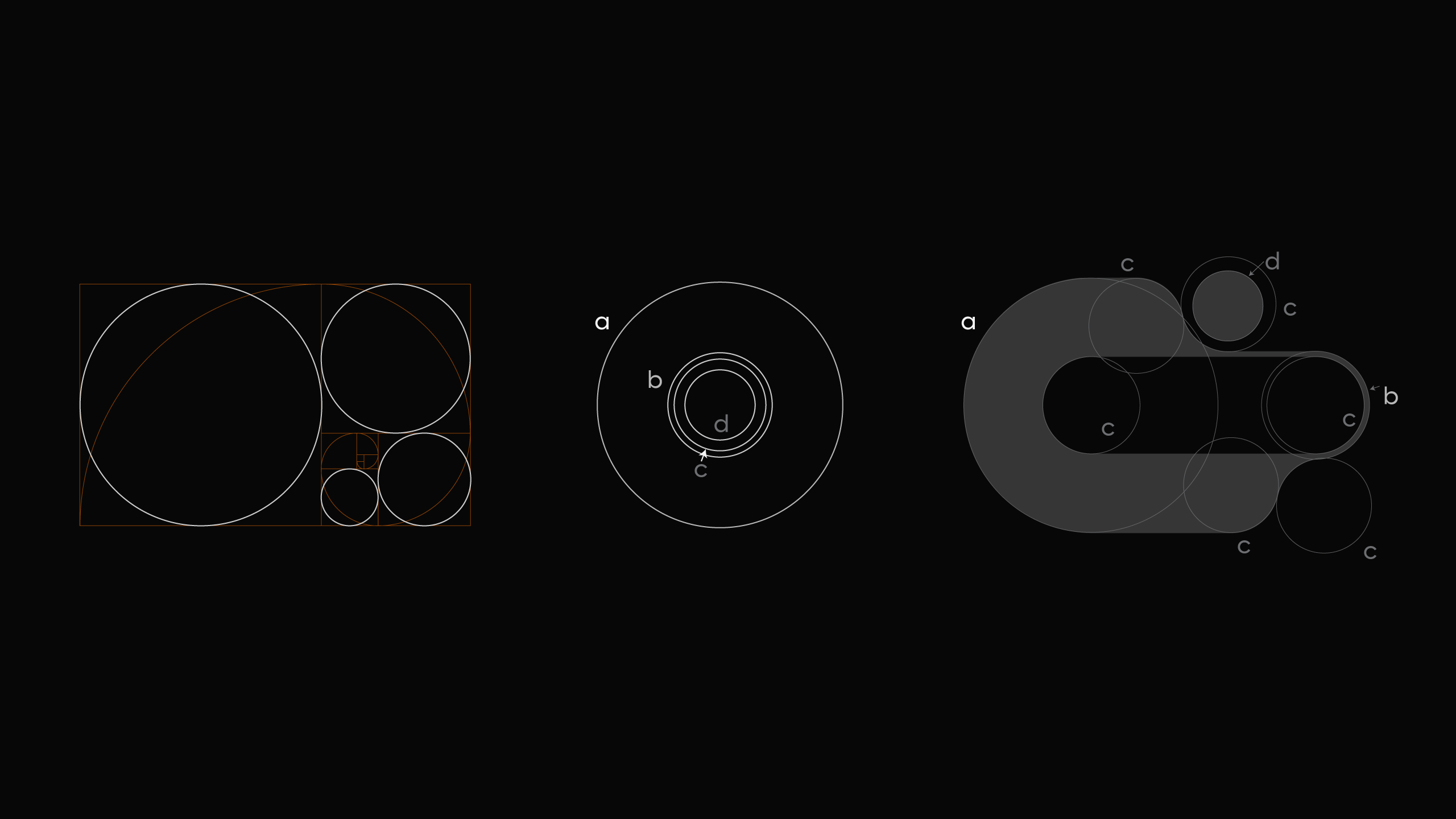
When the first four pillars are clear, design decisions stop being a matter of taste. The Legacy Events symbol, for example, is built from circles because the strategy was about people coming together. See the full Legacy Events case study.
How to use the five pillars
Write one short paragraph for each pillar. If you can’t, that’s the gap to fix before you design anything. If the paragraphs contradict each other, for example a premium positioning with a budget personality, fix that first too.
A useful test: Show the five paragraphs to someone who doesn’t know your business. If they can describe what you sell, who it’s for and why it’s different, your strategy is working.