A complete brand identity includes much more than a logo. At minimum, you should receive a logo suite, typography, a color palette, supporting graphic elements and guidelines that explain how to use them. A strong identity also includes the strategy and voice behind the visuals, so everything works together. Use this checklist to know what to ask for.
1. The strategic foundation
Purpose, vision, mission and values. Audience and positioning. Personality and brand story. This is the brief every visual decision should answer to. If a studio can’t explain why your logo looks the way it does, the foundation is missing.
2. The logo suite
Not one logo, but a family: a primary logo, a secondary or stacked version, a wordmark, a submark or icon for small spaces, and versions for light and dark backgrounds. If you operate in more than one language, ask for matching wordmarks, for example Arabic and English built on the same system.
3. Typography
Primary and secondary typefaces, with rules for headings, body text and hierarchy. Check the fonts are licensed for how you’ll use them, including web and apps.
4. Color palette
Primary and secondary colors with exact values for print and screen, plus guidance on proportions. Most strong brands rely on one or two signature colors, not a rainbow.
5. Graphic elements
Patterns, shapes, icons, illustration or 3D elements that make the brand recognizable even without the logo. For Saksooka, an illustrated character gives the brand a personality customers remember. For Deer, an AI company, electric circuit motifs carry the technology story across every touchpoint.
6. Verbal identity
Tone of voice, tagline, key messages and examples of how to write in the brand’s voice. This is what keeps your website and social media sounding like the same company.
7. Brand guidelines
A clear document that explains how to use everything above, with do’s and don’ts. Good guidelines let your team, printers and future agencies apply the brand without guessing.
8. Applications
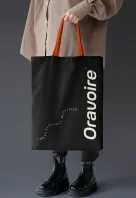
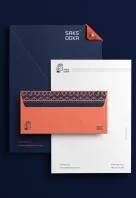
Depending on your business: business cards and stationery, packaging, social media templates, signage, website direction, motion and presentation mockups. These show the identity working in the real world, not just on a white page.
9. Source files
Make sure you receive editable source files and every logo format you need (vector, PNG, SVG), and that you own them outright.
Before you sign, ask
Which of these items are included? How many concepts and revision rounds? Who owns the files? What happens after delivery? A good partner will answer clearly and put it in writing.
Every one of our packages includes strategy, a full logo suite, typography, color and guidelines, with packaging, motion, 3D and campaigns scoped to your needs. Tell us what you’re building and we’ll show you exactly what’s included.