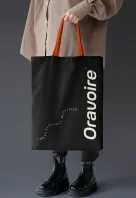
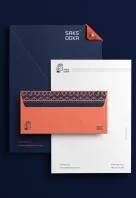
Start with the places where someone will discover, assess and buy your first product. For an online shop, that might be a social post, a product page and the parcel that arrives. For a café, it might be the sign, the menu and the takeaway cup. Those three moments give you a more useful shopping list than a generic branding package.
What can I prepare myself?
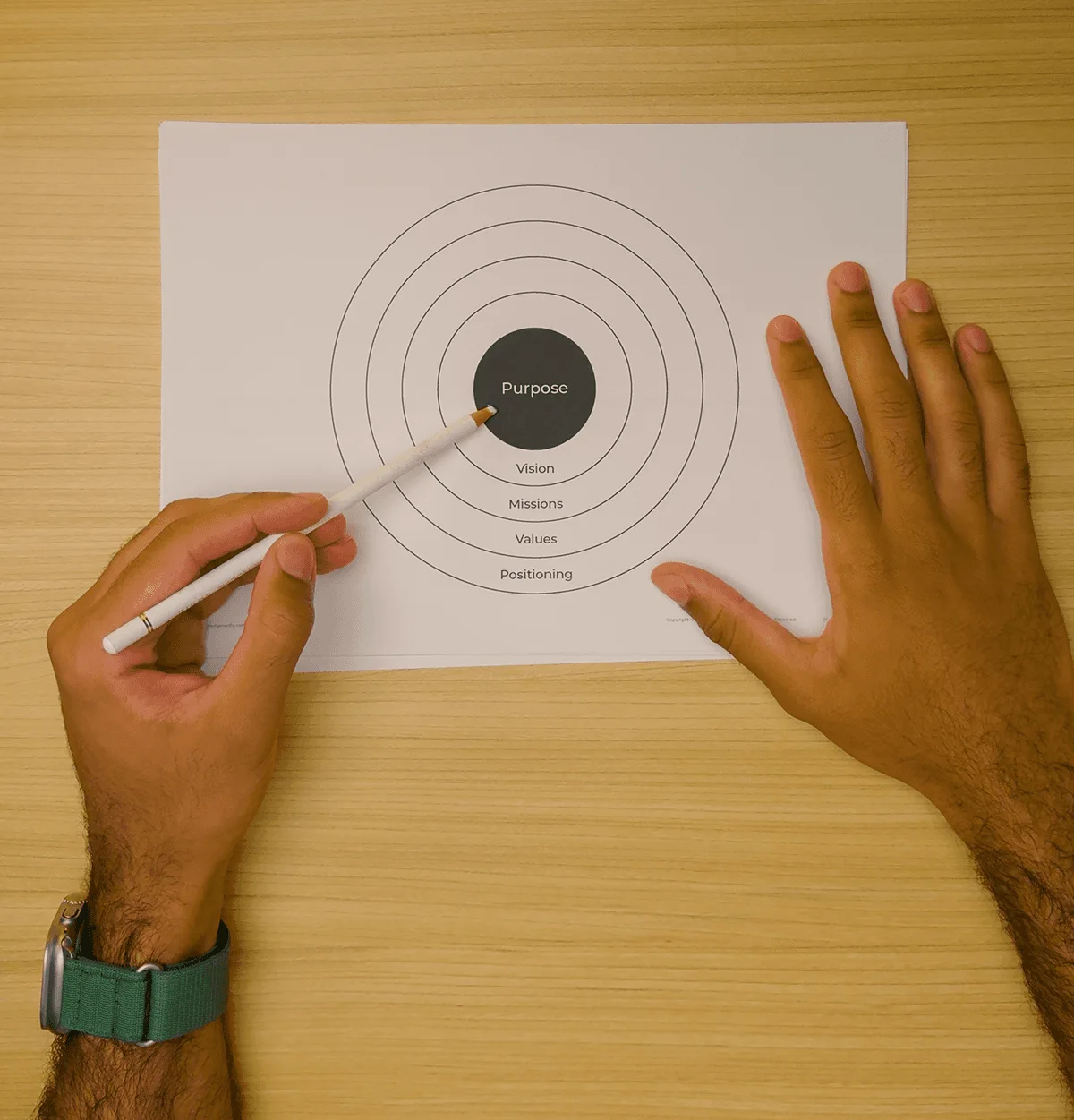
Write one sentence naming your first customer, what they buy and why they would choose you. List your launch date, sales channels and the person who signs off on the work. A designer can use that brief to recommend a scope even if you have no visual references yet.
Which files do I need for the first sale?
Ask for a readable wordmark, a version that works at small sizes, a usable colour palette, typefaces you can license and a short usage guide. Then request the actual files your launch needs. A printer needs a vector logo and artwork sized to its template. The person building your shop needs screen-ready assets and product-page layouts.
What can wait?
If you sell one product, start with the pack you can manufacture now. A full range of seasonal packs can wait. If you acquire customers through referrals, a clear proposal template may earn its place before a large set of social templates. Ask which touchpoint would prevent a sale if it were missing tomorrow.
When is it worth bringing in a branding studio?
Get help earlier when a decision is expensive to reverse. Before printing 5,000 boxes, test the name, product description and smallest type size on a physical sample. Before launching in two languages, check the wordmark and layout in both scripts. A short review at that stage gives you a chance to change the artwork while it is still a file.
For a worked example of how one identity can extend across several products, see Seranova. If you want the whole design process, read our guide to building a brand from scratch.