Packaging design starts with your brand and your customer, not with the box. The process moves from brief and research to structure, design, print preparation and launch, and most delays happen when the brief or the brand isn’t clear at the start. For the basics, read our guide to packaging that stands out.
1. The brief
What is the product, who buys it, where is it sold, and what must the pack do: protect, inform, stand out, or feel like a gift? Include sizes, quantities, budget and deadlines.
2. Shelf and competitor research
Look at where the product will sit, in a shop or online. What do competitors look like? What colors and styles dominate? Good packaging stands out from its category without confusing customers about what it is.
3. Structure and materials
Choose the format, size and materials with your manufacturer early. Structure affects cost, sustainability, shipping and how the design can be printed.
4. Design
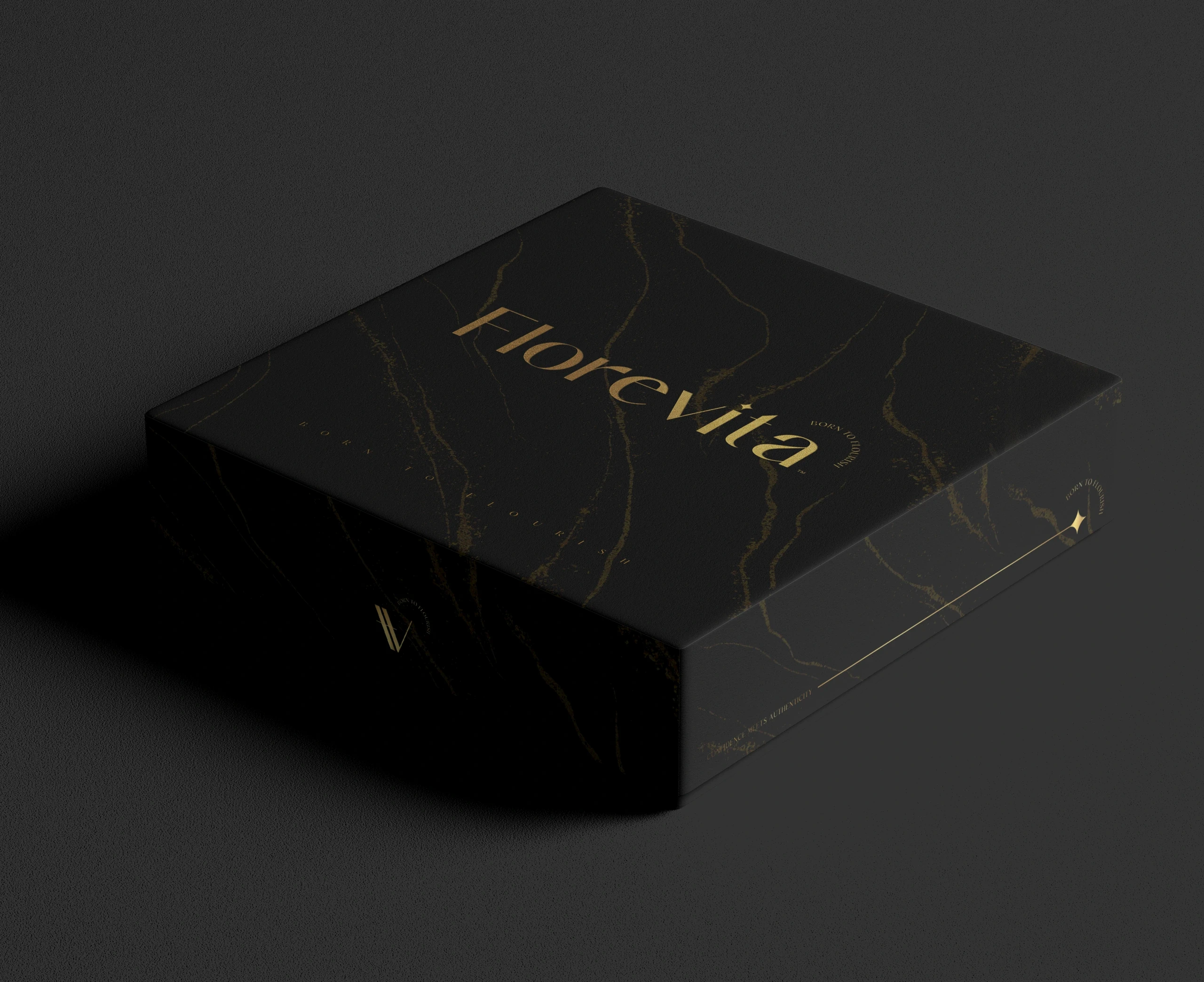
Apply the brand identity to the pack: logo, colors, typography, imagery and the information hierarchy. The front should answer three questions fast: what is it, who is it from, and why choose it. See what a complete brand identity includes.
5. Information and compliance
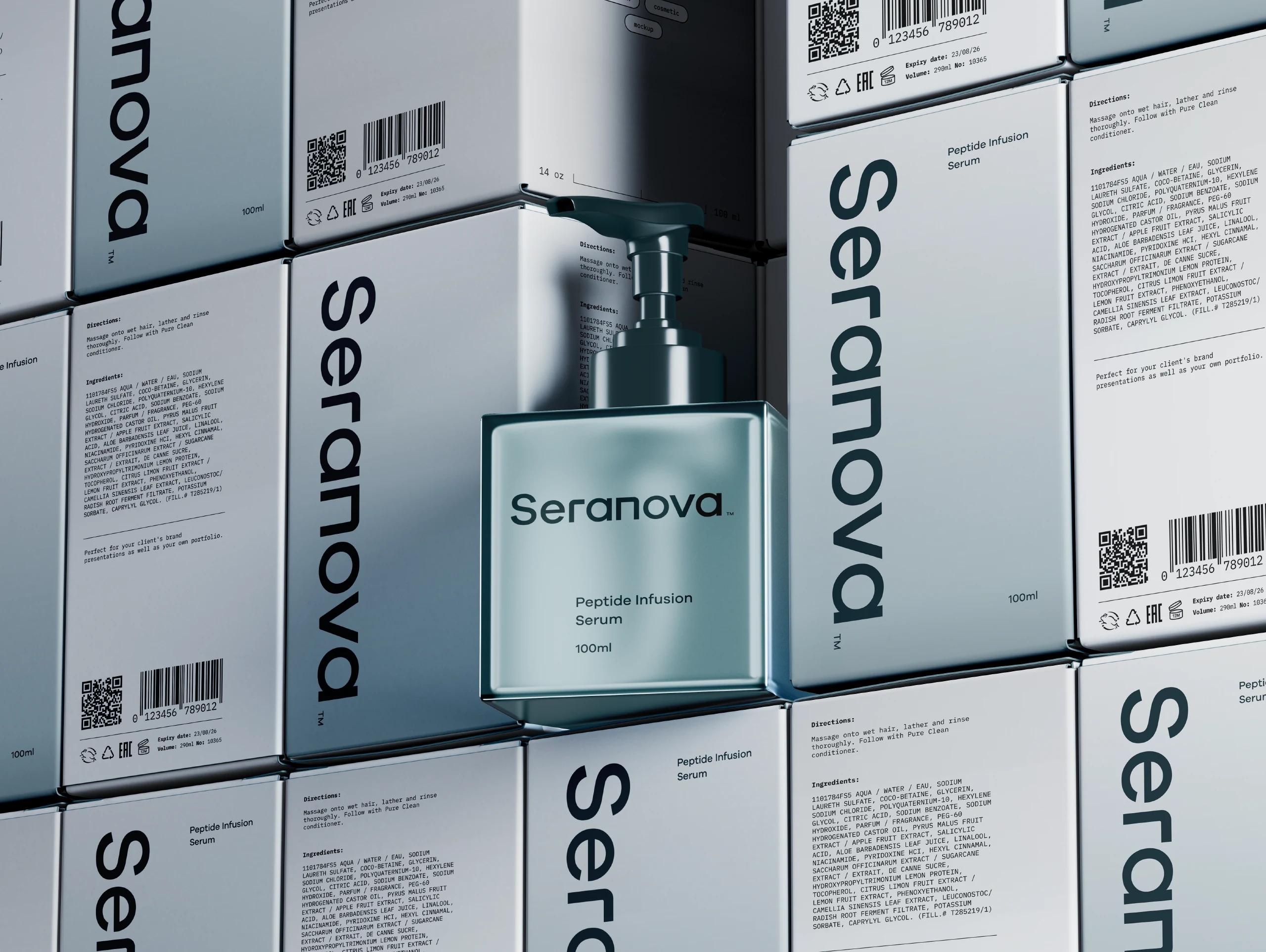
Ingredients, warnings, barcodes and legal text depend on your product and market. Check requirements for each country you sell in, and in each language you need.
6. Print preparation
Final artwork, color checks and printer proofs. Ask for a physical sample before a full print run; colors on screen and on material often differ.
7. Launch content
Photograph and render the final packaging for your website, online stores and social media, so the product looks as good online as on the shelf.
What founders should prepare
Your brand identity, product details and photos, the manufacturer’s templates (dielines), the markets you’ll sell in, and a realistic timeline.