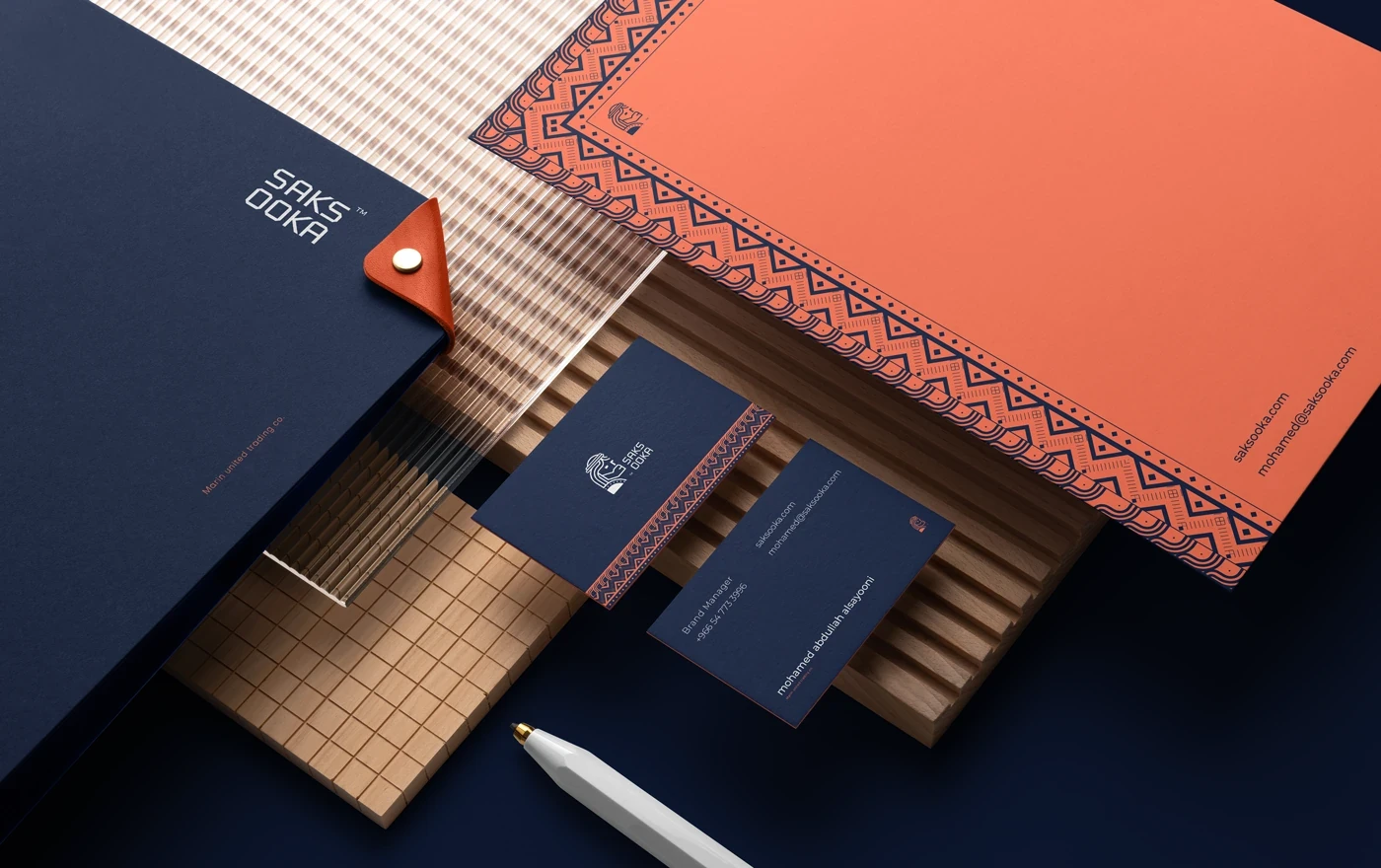
A good rebrand keeps what customers already value and changes what holds the business back. Most customers leave after a rebrand only when they can’t recognize the business anymore or don’t understand why it changed. Not sure you need one? Here are the signs it’s time to rebrand.
Decide what kind of rebrand you need
Refresh: same strategy, cleaner and more consistent visuals.
Repositioning: a new audience, offer or price point, so the message changes.
Full rebrand: new strategy and new identity, sometimes a new name.
The bigger the change, the more you need to explain it.
Keep your recognizable assets
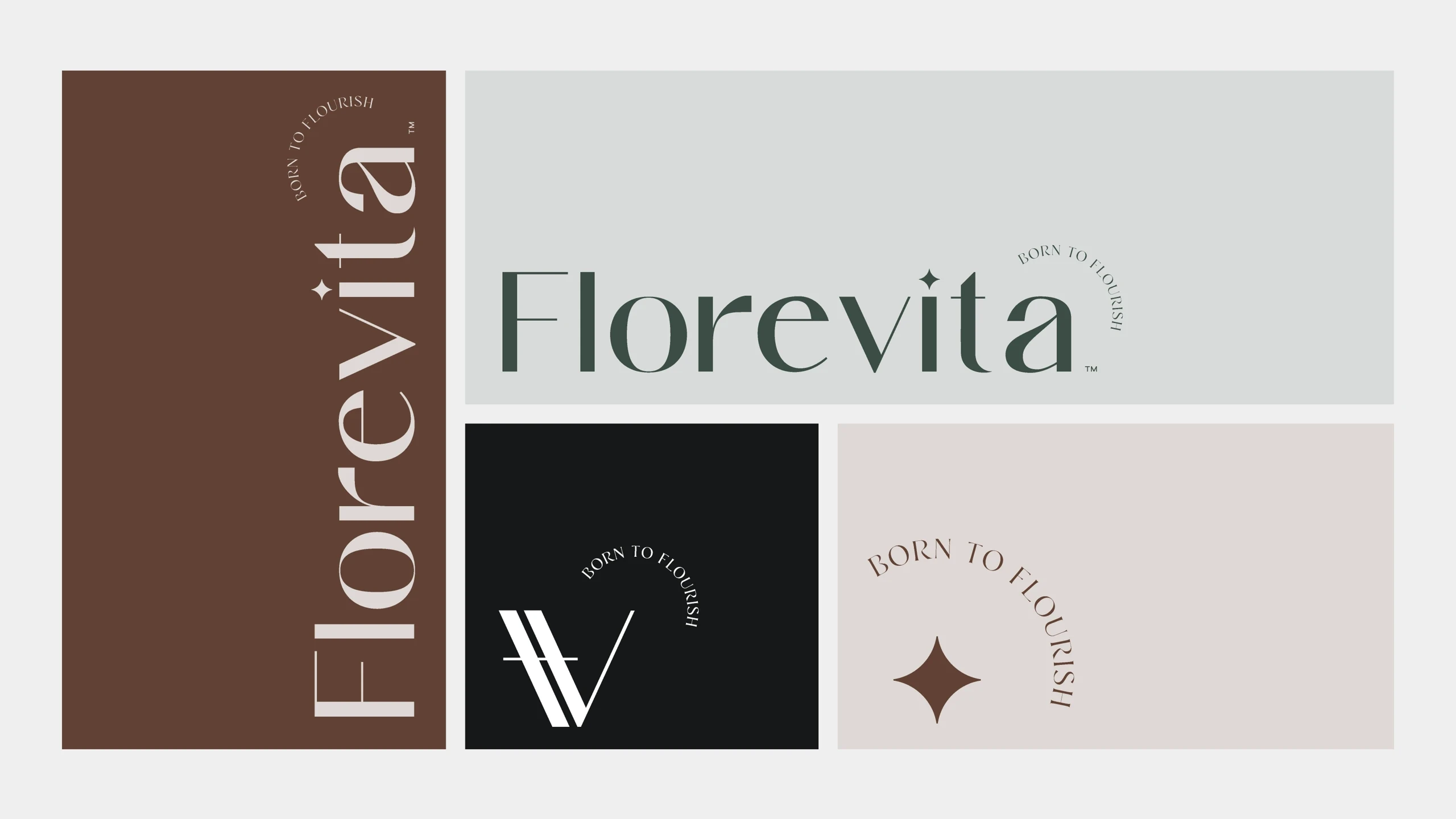
Before changing anything, list what customers remember: a color, a shape, a name, a phrase. Keep or evolve the ones that still fit the new strategy. Throwing away everything recognizable is the fastest way to confuse loyal customers.
Tell customers why
Explain the change in simple terms: what’s new, what stays the same, and what it means for them. A short announcement on your website and social media, and a note to existing clients, goes a long way.
Roll out in a planned order
Update the touchpoints customers see most first: website, social media profiles, packaging and signage. Avoid months of old and new mixed together. Set a date, prepare the files, and switch as much as possible at once. Clear brand guidelines make this much easier.
Protect your search traffic
If your website changes, keep important pages and redirect old addresses to the new ones, so Google and returning visitors still find you.
Measure after launch
Watch inquiries, sales and customer feedback for the first few months. Small adjustments are normal; a well-planned rebrand rarely needs a second rebrand.
How long does a rebrand take?
It depends on the scope. Strategy and identity take about 3–4 weeks in our Standard package and 3–6 weeks in Premium. The rollout time then depends on how many touchpoints you have. Read more about how long branding takes.